Quick Answer
An EV coolant quotation is not complete when it says only “low conductivity” and gives a freeze point. First identify the vehicle and the particular thermal circuit: battery, e-drive, power electronics, fuel-cell stack or an ordinary engine loop. Then ask for the OEM coolant specification, a product-specific conductivity result with its test method and temperature, freeze and corrosion evidence, material-compatibility data, the current TDS and SDS, and a batch-release plan. A glycol-based low-conductivity EV coolant is not automatically a dielectric immersion fluid or a substitute for every vehicle’s factory fill. ASTM’s EV-coolant specification and conductivity test method address different questions, while China’s GB 29743.2-2025 is a distinct market-specific standard. [1] [2] [3]
Identify the thermal circuit before naming a coolant
“EV coolant” is a useful search term, but a poor final application instruction. One vehicle may have several thermal loops and different fluids or service rules for each. A cooling plate beside a battery, an e-motor/inverter loop, a heat-pump circuit, a fuel-cell stack and a conventional combustion-engine loop are not interchangeable destinations. The buyer should record the vehicle model, year, powertrain, exact circuit, factory-fill or service-fluid identifier, and any service bulletin before comparing suppliers.
The distinction between low-conductivity glycol coolant and waterless dielectric fluid is particularly important. ASTM D8566-24 addresses fully formulated glycol-based low-conductivity EV coolant used as supplied; its scope excludes direct immersion in energized components and does not cover coolant circulating within a fuel-cell stack. An importer should therefore reject a sales chart that treats “low conductivity,” “dielectric,” “battery coolant” and “fuel-cell coolant” as synonyms. [1]
| Application on the RFQ | What to verify | Unsafe shortcut |
|---|---|---|
| Battery or e-drive liquid loop | OEM fluid identity, circuit materials, conductivity requirement and service procedure | “Any pink OAT coolant will work” |
| Direct-contact immersion system | Whether a separate waterless dielectric specification applies | Calling a glycol-water coolant an immersion fluid |
| Fuel-cell stack | Stack-specific OEM instruction and fluid evidence | Extending a battery-loop claim to the stack |
| Combustion-engine loop in a hybrid | Engine-coolant specification and maintenance requirement | Assuming an EV label overrides the engine manual |
What the standards do—and do not—prove
ASTM D3306-21 covers glycol-based engine coolants for automobile and light-duty service. ASTM D8566-24, by contrast, addresses glycol-based EV coolant where low electrical conductivity is required. Neither title makes a particular commercial product compliant by itself. A buyer needs a current, product-specific statement supported by test records, and must still check the vehicle maker’s instructions. [1] [4]
For a China-market brief, the official national-standards portal lists GB 29743.2-2025, Motor vehicle coolant—Part 2: Electric vehicle coolant, as current, published 28 March 2025 and effective 1 October 2025. Record the edition and obtain the relevant conformity evidence rather than copying “GB compliant” from a brochure. Outside China, the standard can be useful technical context, but it is not a universal vehicle approval or an automatic legal requirement in every destination. [3]
Ask how conductivity was measured
A number in μS/cm is meaningful only with the sample identity and measurement conditions. ASTM D8634-25 is a test method for conductivity of EV-coolant samples using a conductometer; its published scope covers glycol-based coolants and measurements in the 20–30 °C range. Temperature, instrument calibration, sample handling and contamination affect comparisons. Put the method, reference temperature, result, unit and acceptance limit on the same record. [2]
More importantly, ask whether the result is a typical development value, a guaranteed specification or an actual production-batch measurement. Those are three different types of evidence. A supplier may legitimately publish a typical target on a product page, but purchasing should not silently turn it into a lot-release limit. Agree the acceptance limit and test method in the purchase specification, then request the batch COA or test report before shipment.
Conductivity alone is not a complete coolant qualification. Corrosion behaviour, freezing and boiling protection, elastomer and polymer compatibility, heat-transfer system design, contamination control and storage stability belong in the technical review. The fluid must match the vehicle and the circuit, not just one attractive laboratory number. [1]
Where KATMOTO EV-LC 100 fits
KATMOTO EV-LC 100 is presented as a ready-to-use, ethylene-glycol OAT coolant for selected EV/PHEV thermal-management loops, with −35 °C and −50 °C grades. The product page lists 200 L drums and 1,000 L IBCs, and publishes typical conductivity values around 60–68 μS/cm at 25 °C. Those are the supplier’s product-page statements, not an independent certification or proof of compatibility with every EV. The page also states that final production data should be confirmed by an official TDS and laboratory report. [5]
The product page uses “meets and exceeds GB 29743.2-2025” wording. If that claim matters to your purchase or artwork, request the exact test report, edition, tested grade and lot or representative sample, and agree how the claim may be reproduced in your market. Do not rewrite it as “OEM approved” or “ASTM certified.” KATMOTO’s own important notice says that “suitable for” is not an official approval. [5]
Seven-step importer RFQ workflow
- Map the vehicles and loops. Supply model years, destination markets, fleet or workshop demand, and the precise circuit. Separate battery/e-drive, fuel-cell and engine-loop requests.
- Record the controlling requirement. Name the OEM fluid specification or part number, any allowed alternatives, the freeze grade, and the service rule. If a standard such as ASTM D8566 or GB 29743.2 is requested, state its edition.
- Request the exact technical file. Match TDS, SDS, product code, concentration, grade and current revision. Obtain supporting conductivity, corrosion and compatibility data appropriate to the claim.
- Define the conductivity acceptance test. Specify method, temperature, sampling point, limit and whether the figure is a typical value or a batch-release requirement. Agree how a disputed result is retested.
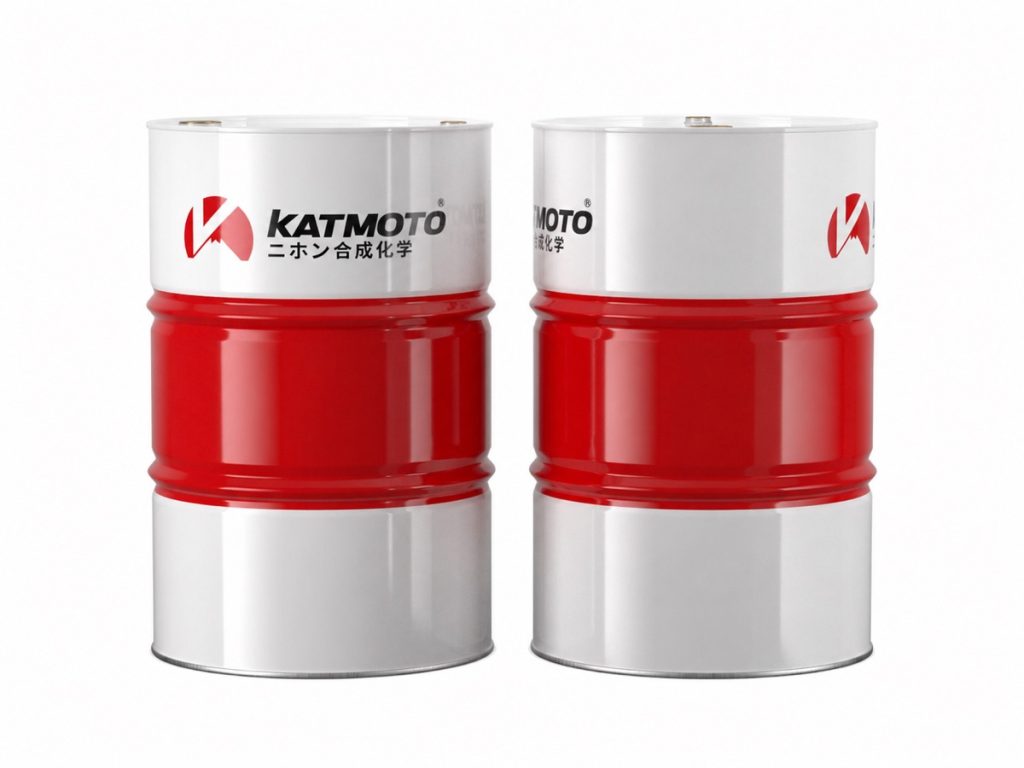
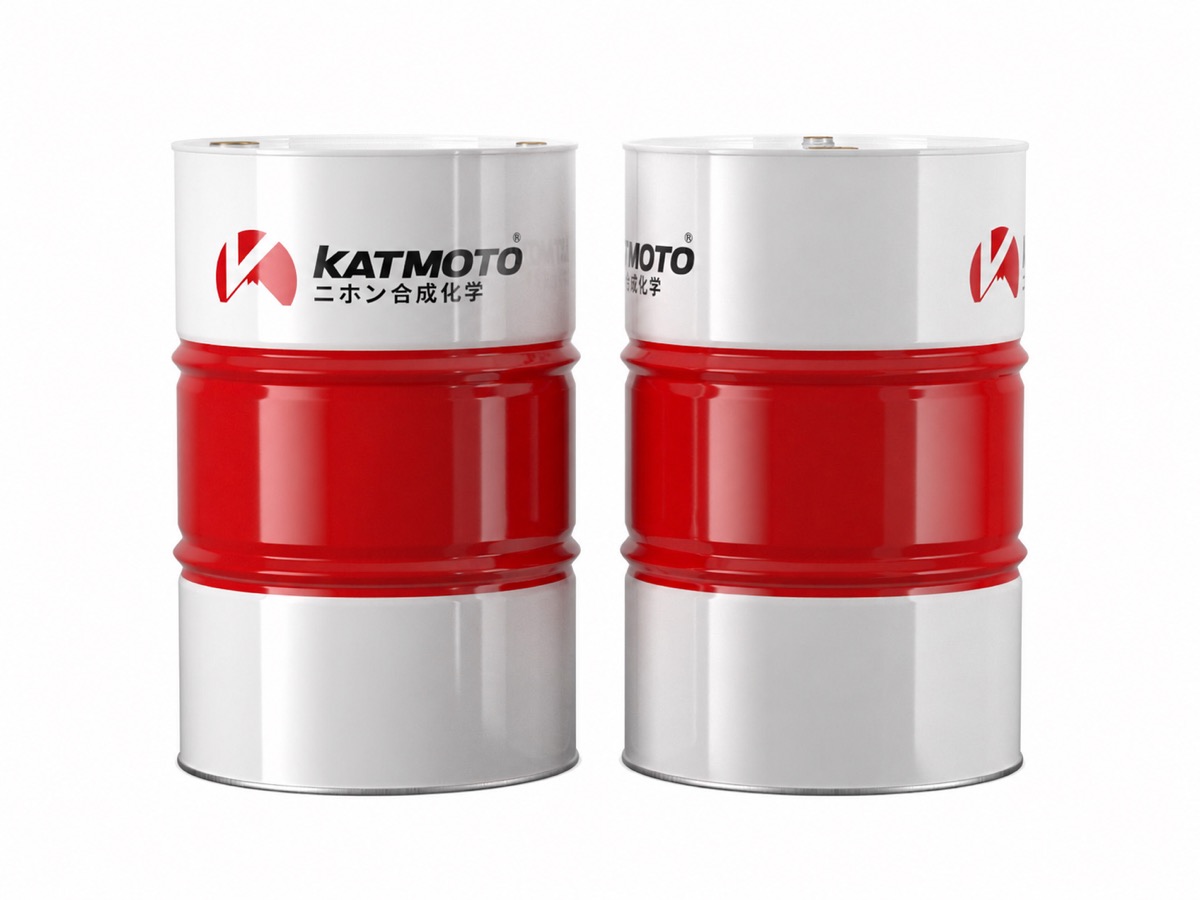
- Freeze bulk packaging. Confirm 200 L drum or 1,000 L IBC availability for the quoted grade, closure, tamper evidence, cleanliness, material compatibility, net quantity, label language, pallet and handling requirements. Do not infer MOQ or lead time from pack size.
- Approve claims and artwork. Separate a supplier performance statement from a formally approved vehicle application. Check product name, grade, warnings, importer details and batch-code location before printing.
- Release a traceable batch. Reconcile PO, final artwork, batch identity, COA or agreed test record, packing list and shipping marks. Establish change notification for formula, water quality, packaging or label revisions.
Document and shipment checks
| Record | Buyer’s check | Hold point |
|---|---|---|
| OEM application | Exact vehicle, year, circuit, fluid number and service bulletin | Only “EV suitable” appears |
| TDS and test support | Grade, concentration, claims, conductivity method/temperature and corrosion evidence | Test belongs to another formula or grade |
| SDS and market file | Current product identity, handling, transport and required language | Destination obligations unresolved |
| COA or lot report | Actual lot, tests, units, limits and release decision as agreed | Typical brochure values copied as lot results |
| Pack and shipment file | Approved drum/IBC, seals, label revision, quantity, batch and marks | Mismatch with PO or approved artwork |
Common sourcing mistakes
- Using coolant colour as evidence of chemistry or vehicle compatibility.
- Assuming a low-conductivity glycol coolant is suitable for direct battery immersion.
- Adding water to a ready-to-use product without an explicit OEM and supplier instruction.
- Copying a development conductivity target into a purchase contract without defining temperature, method and sampling.
- Using a China-market standard claim as if it were a global OEM approval.
- Approving a generic drum photograph instead of final product-specific bulk artwork.
- Ordering one fluid for every hybrid or EV loop because the sales catalogue uses the phrase “EV coolant.”
Pre-order checklist
Before sending the first purchase order, keep one controlled file containing: the destination market; vehicle and circuit map; OEM fluid identifiers; requested standard and edition; KATMOTO product code and freeze grade; current TDS/SDS; conductivity method, temperature and acceptance rule; corrosion and material-compatibility support; final pack and label; lot-testing agreement; shipping documents; and a named technical approver. The answer may be “not yet confirmed” for a proposed application. That is better than a confident but unsupported cross-reference.
Frequently Asked Questions
Is every EV coolant low conductivity?
No. EVs use different thermal architectures and circuit requirements. Read the vehicle service information before selecting a low-conductivity product.
Can an ordinary engine coolant be used in a battery loop?
Not on the strength of colour, glycol base or freeze point alone. Confirm the OEM fluid requirement and the exact product’s supported application. ASTM D3306 and ASTM D8566 have different scopes. [1] [4]
Does “low conductivity” mean a coolant is a dielectric immersion fluid?
No. Glycol-based low-conductivity coolants and waterless direct-immersion fluids are different design categories. ASTM D8566 excludes direct immersion use. [1]
Should an importer compare two conductivity numbers directly?
Only after checking method, temperature, sample condition, units and whether the figures are typical or batch-specific. ASTM D8634 is a relevant EV-coolant test method. [2]
Can EV-LC 100 be diluted at the destination?
The KATMOTO product page presents EV-LC 100 as ready to use. Do not dilute or mix it unless the vehicle maker and current product instructions expressly permit that procedure. [5]
Does a GB 29743.2-2025 claim equal official OEM approval?
No. A standard-conformity claim, independent test evidence and vehicle-maker approval are separate. Request proof for the exact formulation and grade, and verify any claimed OEM approval separately. [3]
What should a bulk-buyer RFQ include?
Provide the vehicle and circuit map, destination, freeze grade, required standard, conductivity acceptance test, technical documents, drum/IBC and label plan, expected demand, and batch-release requirements. Ask the supplier to confirm what is supported rather than inventing a universal fitment list.
Turn the application list into a controlled quotation
Review the KATMOTO EV-LC 100 product page, then contact KATMOTO with the target vehicles, coolant loops, destination country, freeze grades and documentation checklist. If you are building a regional range, see Become Distributor. Our engine-coolant concentration guide explains a related but different purchasing decision.
Sources & References
- ASTM International, ASTM D8566-24, Standard Specification for Glycol-Based Electric Vehicle Coolant with Low Electrical Conductivity (2024), public scope and catalog record.
- ASTM International, ASTM D8634-25, Standard Test Method for Measurement of Conductivity in Electric Vehicle Coolants (2025), public scope and catalog record.
- State Administration for Market Regulation / Standardization Administration of China, GB 29743.2-2025 official standard record (published 28 March 2025; effective 1 October 2025).
- ASTM International, ASTM D3306-21, Standard Specification for Glycol Base Engine Coolant for Automobile and Light-Duty Service (2021), public scope and catalog record.
- KATMOTO, EV-LC 100 product information, reviewed 2 October 2026. Product-page claims require product-specific TDS and test evidence before contractual use.