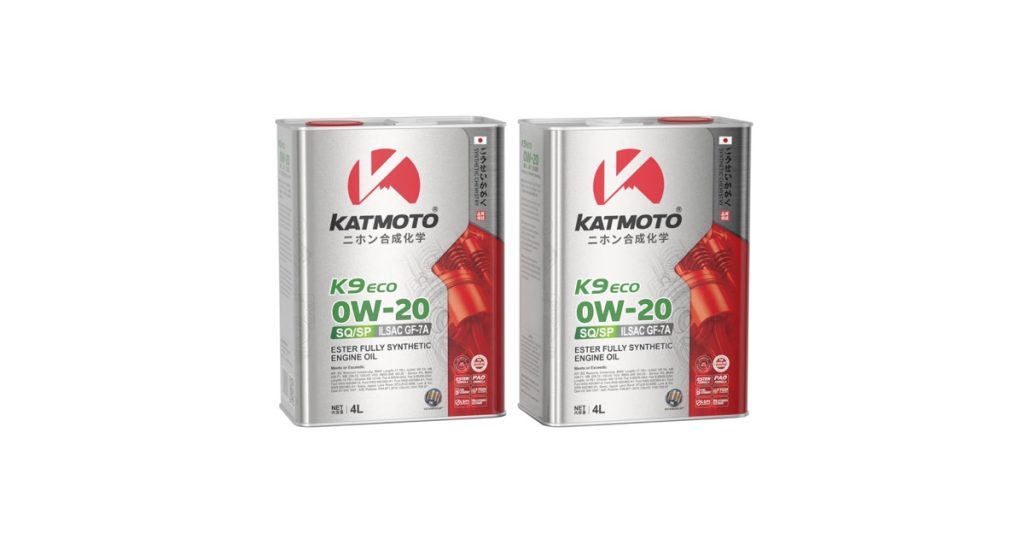
Assess ILSAC GF-8 engine oil claims without confusing development plans with current products. Check specifications, licensing evidence and label release gates.
Plan a mixed-SKU lubricant order with clear carton quantities, pallet identities and packing-list checks. Avoid confusing litres, units and shipping weights.
Compare DOT 4 dry and wet boiling-point data, separate typical values from batch results, and build a clearer brake-fluid RFQ for your import business.
Review ASTM D4485-26d in engine oil purchasing: distinguish an edition update from API licensing, check product evidence and control RFQ and label revisions.
Check arriving transmission fluid orders for SKU, batch, pack damage and document mismatches. Build a clear hold-and-release record before onward distribution.
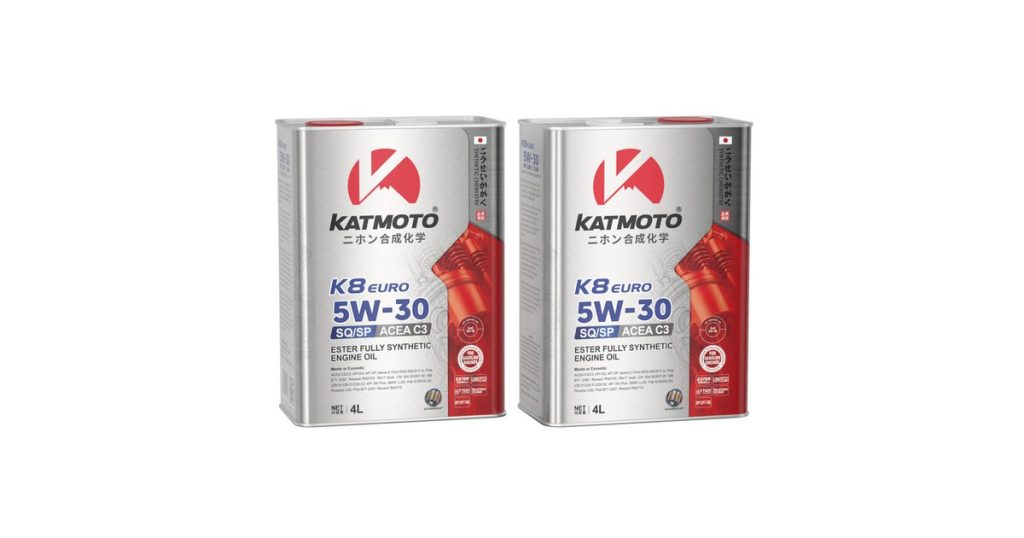
Compare engine oil flash point and Noack data correctly. Check test methods, typical values and supplier evidence before making an import purchasing decision.
Use Europe’s hybrid-registration trend to review engine oil stock, not guess order volumes. Build a model, specification and workshop-demand plan before importing.
Connect engine oil sample approval to your bulk order. Define sample identity, testing, acceptance, packaging and change control before import purchasing.
Check CCS and MRV engine oil evidence before importing. Separate cranking, pumping and pour point, review typical data and build a useful supplier RFQ.
Compare engine oil HTHS and kinematic viscosity, check test methods and OEM requirements, and build a specification-led purchasing file for your market.
Written and technically reviewed by Leo Zhuang — Automotive Lubricants Product LeadPublished: 8 Octo...
Written and technically reviewed by Leo Zhuang — Automotive Lubricants Product Lead Quick Answer An...